

Introduction
Rising costs in 2026 mean managing money requires more awareness than ever. According to the U.S. Bureau of Labor Statistics, consumer prices continue to fluctuate across housing, food, and energy sectors.
The good news? You don’t need extreme frugality to build savings. Small strategic changes can make a major difference over time.
1. Track Your Spending for 30 Days
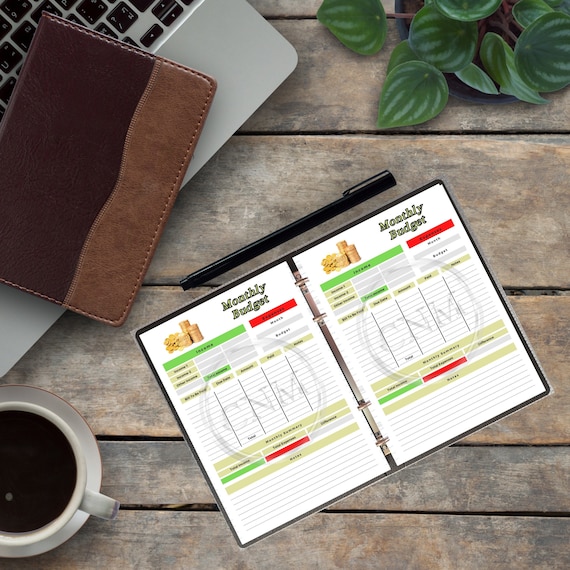
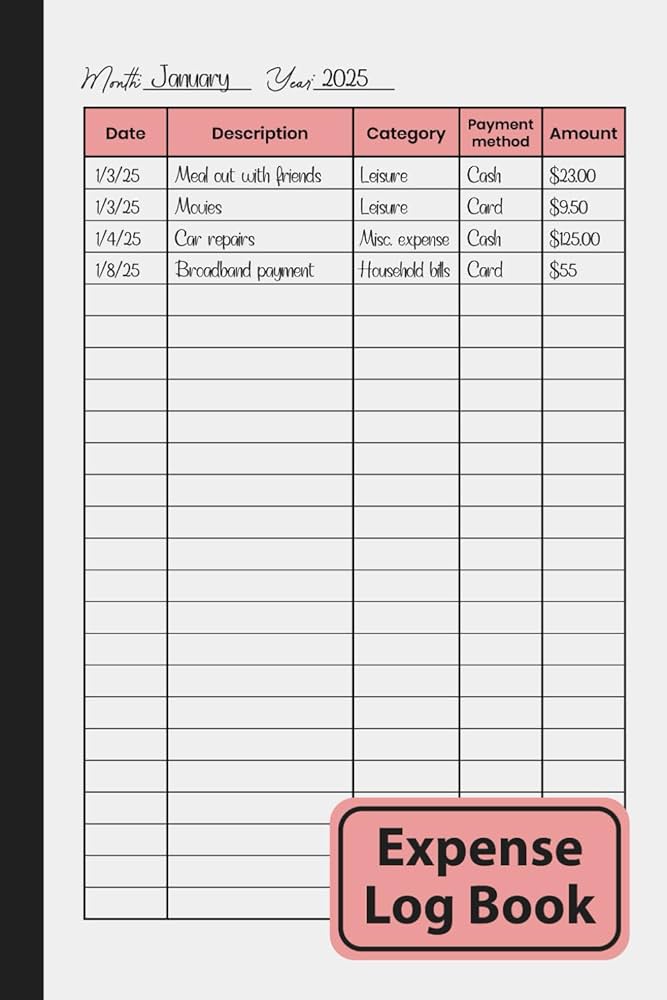
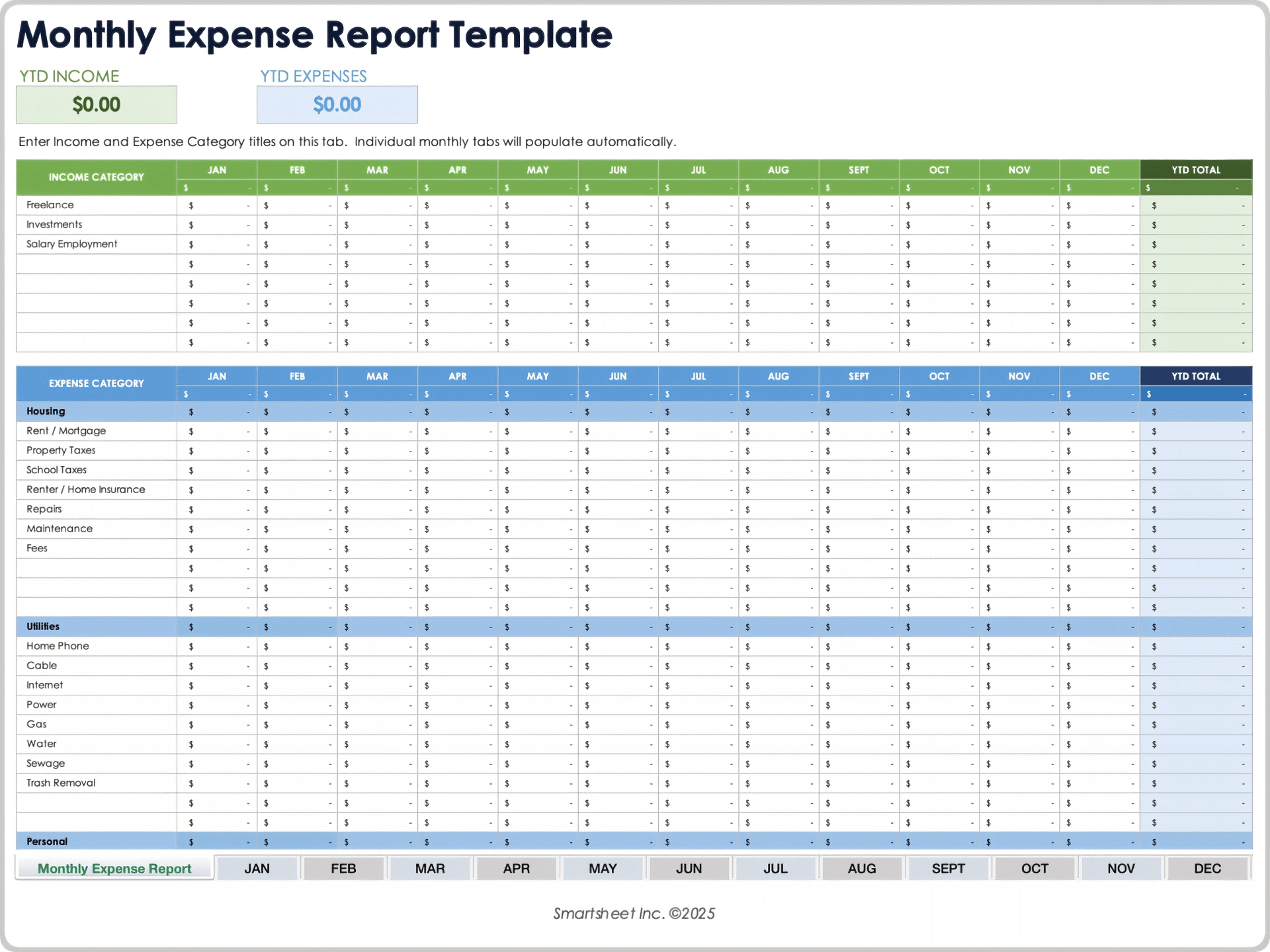
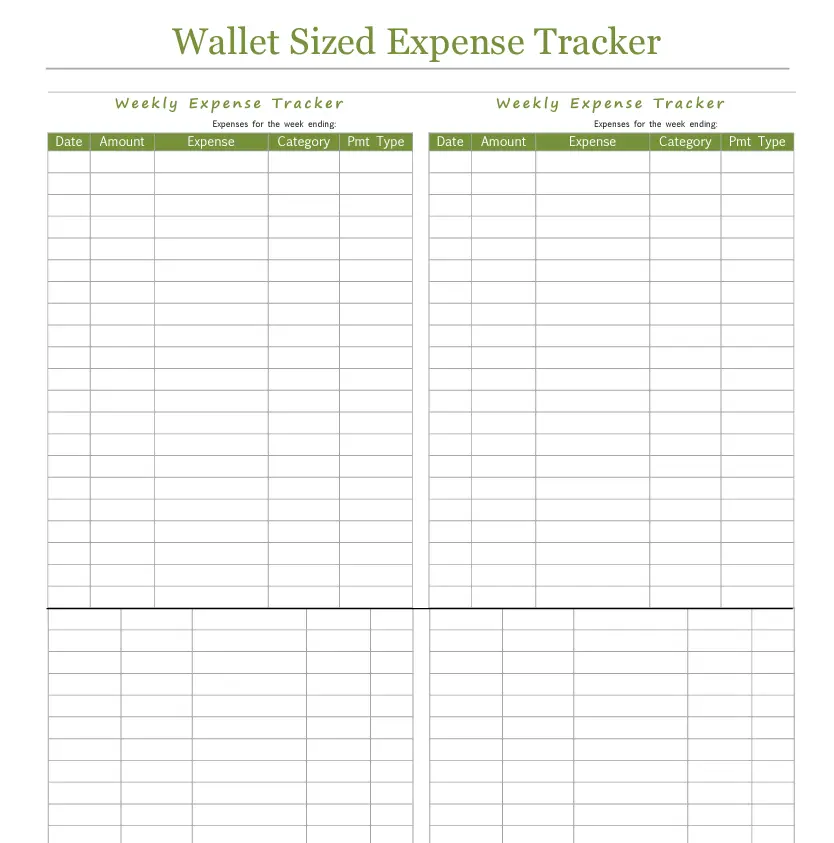
Before cutting expenses, understand where your money goes.
You can:
-
Use a spreadsheet
-
Track in a notebook
-
Try free budgeting tools like Mint alternatives
-
Follow budgeting guidance from the Consumer Financial Protection Bureau:
https://www.consumerfinance.gov/consumer-tools/budgeting/
Most people discover 10–20% of spending is unnecessary.
2. Cancel Unused Subscriptions
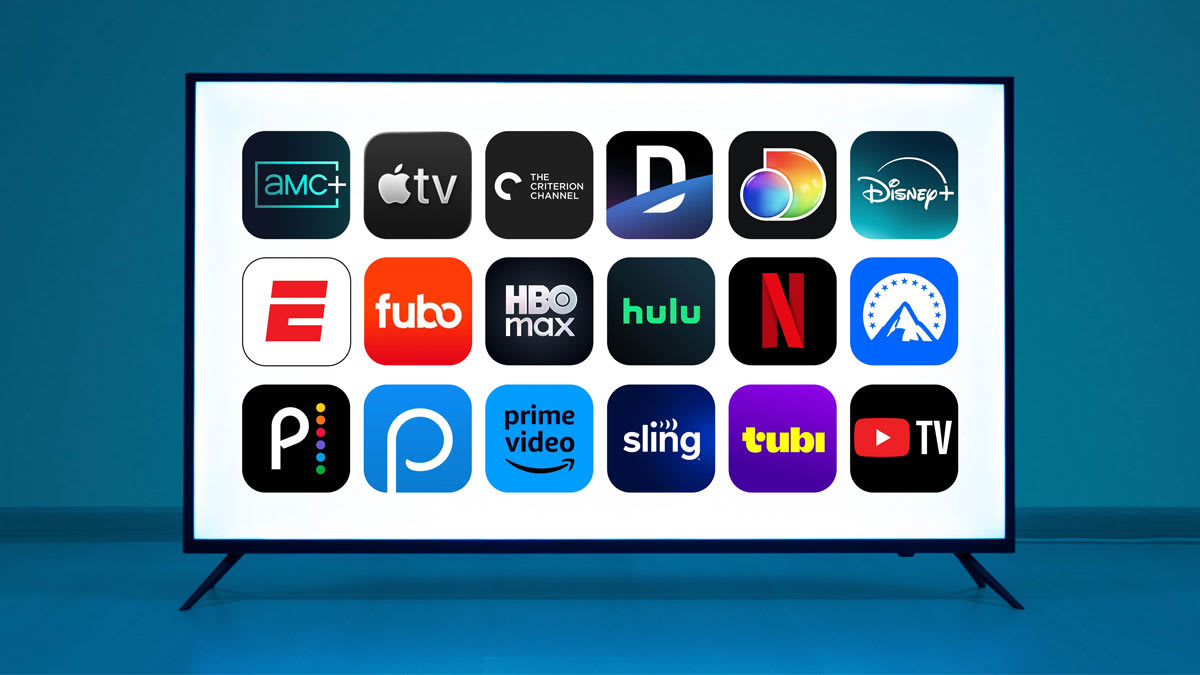



Streaming platforms, apps, and digital memberships quietly drain accounts.
Audit subscriptions every 3 months. Ask:
-
Did I use this recently?
-
Would I miss it if gone?
Even cutting $40/month saves nearly $500 annually.
3. Use the 24-Hour Rule for Purchases
Impulse buying is often emotional.
Before non-essential purchases:
-
Wait 24 hours
-
Revisit the item
-
Decide rationally
Behavioral finance research from the American Psychological Association shows delayed decisions reduce impulse spending.
Learn more about consumer behavior research:
https://www.apa.org/topics/consumer-behavior
4. Automate Savings First



Treat savings like a bill.
Set:
-
Automatic transfers (5–15%)
-
Transfers immediately after payday
Financial literacy resources from FDIC explain automation benefits:
https://www.fdic.gov/resources/consumers/money-smart/
5. Plan Weekly Meals



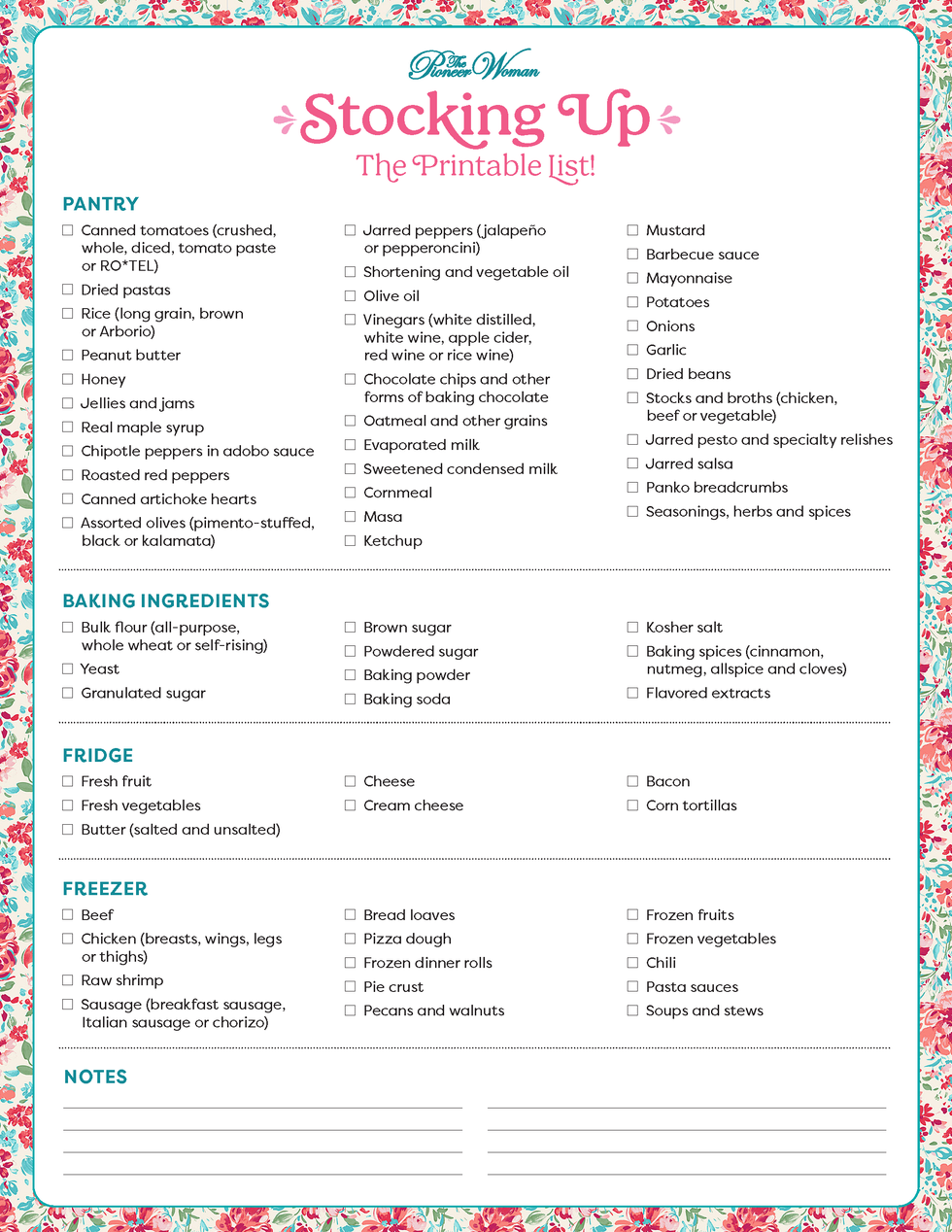
Meal planning reduces food waste and expensive takeout.
Simple plan:
-
5 dinners per week
-
Grocery list before shopping
-
Batch cook staples
According to data summarized by the USDA, food waste significantly increases household costs.
Food waste insights:
https://www.usda.gov/foodwaste
6. Review Insurance Annually

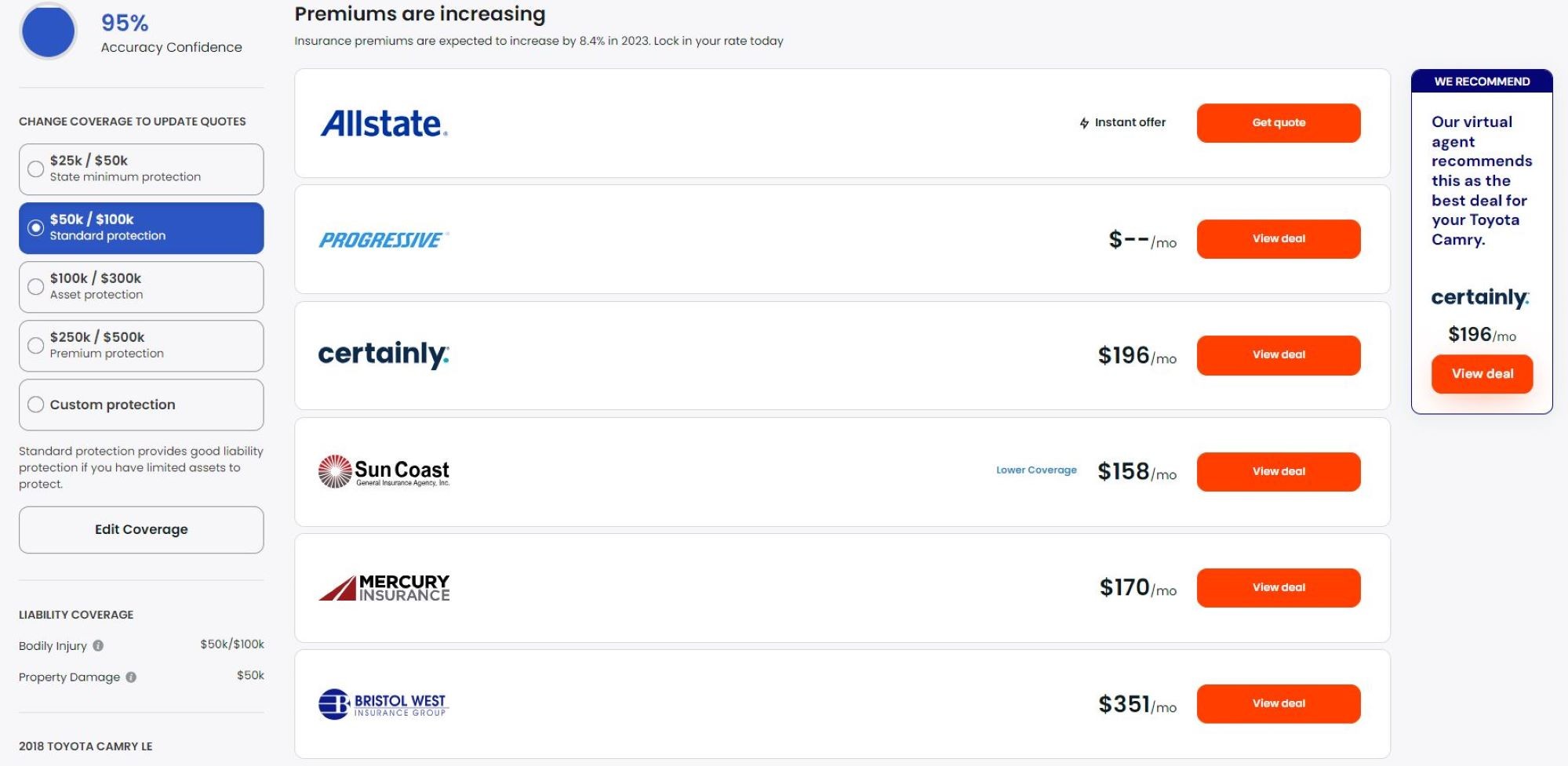


Auto and home insurance rates change frequently.
Each year:
-
Compare 3 providers
-
Ask about loyalty discounts
-
Check bundling options
Consumer insurance tips from National Association of Insurance Commissioners:
https://content.naic.org/consumer
7. Reduce Utility Bills Strategically




Instead of drastic lifestyle changes:
-
Install programmable thermostats
-
Switch to LED bulbs
-
Wash clothes in cold water
-
Unplug unused electronics
Energy-saving guidance from U.S. Department of Energy:
https://www.energy.gov/energysaver
8. Negotiate Bills
Many providers will reduce rates if asked.
Call:
-
Internet providers
-
Phone carriers
-
Cable companies
Request:
-
Promotional pricing
-
Loyalty discounts
-
Competitor match rates
It costs nothing to ask — and often saves hundreds yearly.
9. Increase Income Strategically




Saving helps — but earning more accelerates growth.
Options:
-
Freelance services
-
Sell unused items
-
Skill-based side work
-
Negotiate raises
Career guidance resources from U.S. Department of Labor:
https://www.dol.gov/general/topic/training
10. Set Clear Financial Goals




Saving without purpose reduces motivation.
Define:
-
Emergency fund target
-
Vacation fund
-
Debt payoff plan
-
Long-term investments
Goal-setting improves consistency and financial confidence.
Final Thoughts
Financial progress is built on consistent habits — not dramatic sacrifice.
Choose 2–3 strategies from this list and commit for 90 days. The compounding effect will surprise you.
0 comments